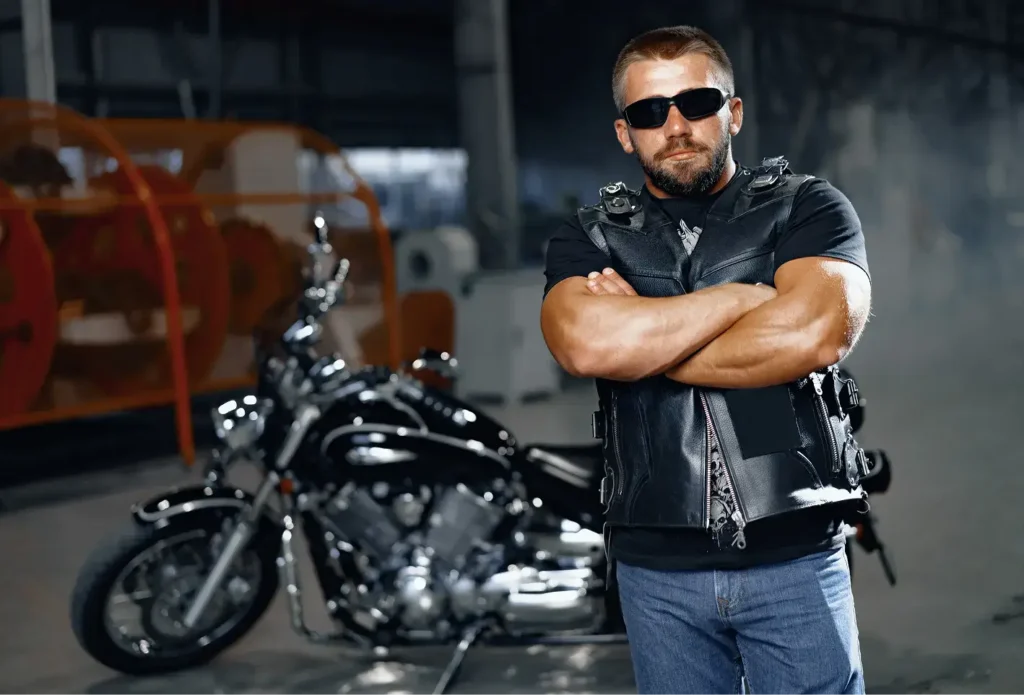
The landscape for professional riders and delivery partners has shifted toward a high-performance model where equipment is viewed as a business investment. High-quality gear serves as the foundation for operational longevity in the gig economy. When riders feel secure and equipped, their ability to maintain high service levels increases significantly.
Reliability Through Pro Motorcycle Riding Essentials
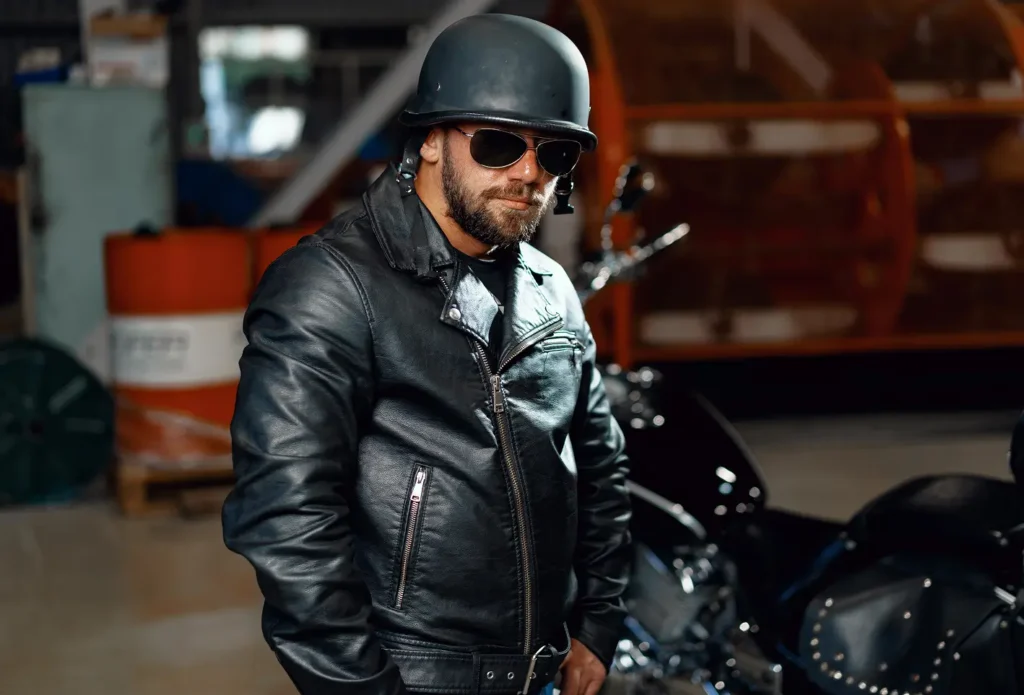
Professional riders prioritize durability because equipment failure directly impacts earning potential. A comprehensive must-have biker gear list starts with abrasion-resistant textiles and modular helmets that adapt to varying urban environments. High-visibility elements integrated into standard gear ensure that delivery partners remain conspicuous during late-shift operations.
Economic Impact of Quality Equipment
Investing in the best motorcycle gear for riders reduces the likelihood of downtime caused by minor incidents or physical fatigue. Superior gear regulates body temperature and reduces wind noise, which are primary factors in rider exhaustion. A focused rider is a more efficient worker, leading to better ratings and higher delivery volume.
Advanced Protection: Biker Gear That Saves Lives
Safety standards have progressed beyond basic impact protection to include active stabilization and smart materials. For the modern professional, biker gear that saves lives now incorporates wearable airbag systems and Level 2 CE-rated armor. These technologies mitigate the risks associated with high-traffic urban density and unpredictable road conditions.
Impact of Integrated Safety Systems
- Electronic Airbag Vests: These provide millisecond deployment to protect the spine and chest during a collision.
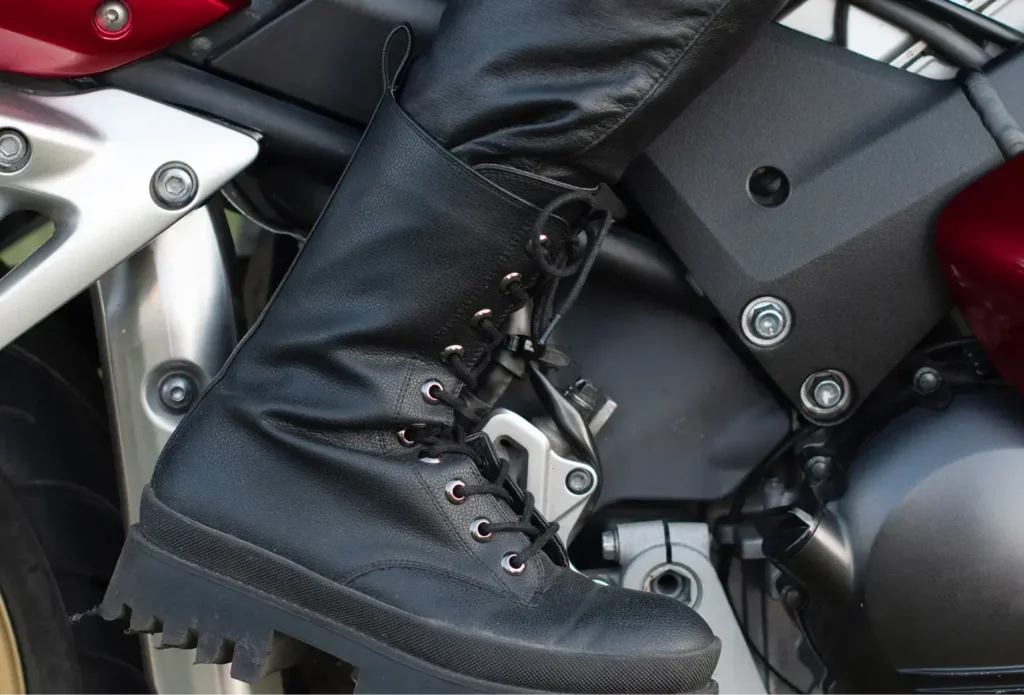
- Reinforced Footwear: Impact-resistant boots prevent common ankle injuries that often lead to long-term disability.
- Smart Helmets: Heads-up displays (HUD) allow riders to view navigation without diverting eyes from the road.
Trust and Platform Reliability Factors
Safety equipment acts as a bridge of trust between the rider and the delivery platform. When [Company Name] emphasizes safety through gear recommendations, it demonstrates a commitment to the workforce’s well-being. This alignment reduces gig worker retention challenges by fostering a culture where safety is not an afterthought but a core operational value.
From Beginner to Pro Riding Gear: Scaling Your Kit
The transition from a casual rider to a high-volume professional requires a strategic approach to equipment scaling. Beginner to pro riding gear paths usually start with basic weather protection and evolve into specialized, climate-controlled technical wear. This progression mirrors the rider’s growth in the ecosystem, moving from trial shifts to full-time engagement.
Managing Activation Challenges and Early-Stage Drop-offs
New riders often face high entry costs, which can lead to early-stage drop-offs if they feel under-equipped for the elements. Platforms can mitigate this by providing guidance on essential versus optional gear. Clear roadmaps for equipment upgrades help riders manage their initial earnings more effectively while staying protected.
Seasonal Adaptability for Last Mile Delivery Efficiency
- Gore-Tex Membranes: Essential for maintaining dryness during sudden shifts in weather.
- Heated Elements: Battery-powered gloves and vests extend the working window during winter months.
- Ventilation Systems: High-airflow mesh jackets prevent heatstroke during peak summer demand.
Top Motorcycle Gear 2026: The Tech Integration
The current year marks a turning point where gear is no longer passive; it is an active participant in the rider’s workflow. Top motorcycle gear 2026 trends focus on haptic feedback and seamless communication integration. These tools allow for last mile delivery efficiency by streamlining how riders receive and acknowledge dispatch instructions without manual intervention.
Enhancing Delivery Partner Engagement Strategy
Communication efficiency is a major driver of delivery partner engagement strategy. Bluetooth-enabled helmets allow riders to stay connected to support systems while keeping both hands on the bars. This reduces the friction of the rider onboarding process by making the technology feel like a natural extension of the riding experience rather than a distraction.
Motivation Drivers and Behavioral Patterns
Riders who utilize top-tier gear often display higher levels of professional pride and discipline. This behavioral pattern correlates with better rider retention and lower accident rates. By highlighting the value of professional-grade equipment, [Company Name] encourages a mindset of excellence that benefits the entire delivery ecosystem.
Support Systems and Long-Term Engagement
A rider’s gear is their office, and the comfort of that office dictates how long they stay on the platform. Addressing retention issues and long-term engagement requires an understanding of the physical toll of the gig economy. Ergonomic gear reduces the cumulative strain on joints and muscles, allowing for a sustainable career.
Bridging Rider Expectations vs Platform Reality
There is often a gap between what a rider expects to earn and the physical costs of the job. Providing insights into the best motorcycle gear for riders helps bridge this gap by showing how the right tools can lower long-term health costs. When the platform supports the rider’s health through better information, it builds a foundation for delivery platform growth.
Incentives and Earning Structure Logic
Incentivizing the purchase of safety gear through bonuses or partnerships can significantly boost rider acquisition. If a rider sees that [Company Name] facilitates access to life-saving equipment, the platform becomes the preferred choice over competitors. This creates a virtuous cycle of safety, efficiency, and loyalty.
FAQs
1. What is the most critical piece of gear for a delivery rider?
Beyond a DOT/ECE-rated helmet, abrasion-resistant gloves are the most critical. Riders use their hands for both vehicle control and device interaction, making them highly vulnerable in any fall.
2. How often should professional riding gear be replaced?
Helmets should be replaced every five years or after any impact. Textile gear should be inspected annually for thinning fibers or failing seams, especially in high-stress areas.
3. Does expensive gear actually improve delivery efficiency?
Yes. Gear that provides better weather protection and ergonomic support reduces physical fatigue, allowing riders to complete more shifts with higher focus and fewer errors.
4. Are “smart” helmets worth the investment for gig workers?
Smart helmets with integrated audio and navigation can improve safety by keeping the rider’s eyes on the road, though they must be balanced against the initial cost and battery life requirements.
5. How can gear help with rider retention on a platform?
When riders are equipped to handle diverse weather and road conditions comfortably, they are less likely to experience burnout or quit due to the physical hardships of the job.