The growth of last-mile delivery depends heavily on the individuals who navigate urban traffic daily. For these gig economy professionals, gear serves as both a tool of the trade and a badge of identity within the community. Marketing to this demographic requires a deep understanding of their daily operational needs and the physical demands of the road.
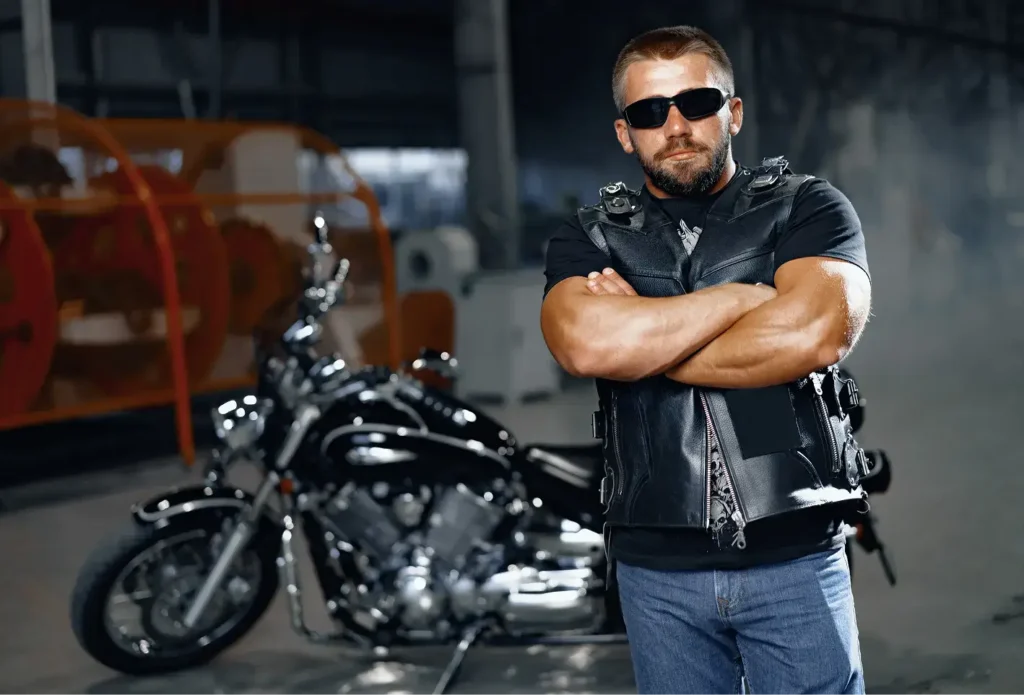
Rider marketing begins by acknowledging that the best motorcycle leather vests are more than fashion; they are essential equipment for those seeking a club style biker vest look combined with high-level durability. By aligning platform values with the rugged biker vest outfit aesthetic, companies can build immediate rapport during the rider acquisition phase.
Rider Acquisition and the Onboarding Flow
Successful rider acquisition strategies treat the onboarding process as a professional entry point rather than a bureaucratic hurdle. High-quality communication during this phase sets the tone for the entire professional relationship between the platform and the courier.
- Simplified documentation workflows reduce friction.
- Clear equipment standards help riders choose a sleeveless biker jacket style that fits safety protocols.
- Introductory briefings focus on immediate earning potential.
When the courier onboarding process is transparent, activation rates increase. New recruits who understand the motorcycle vest fashion guide requirements of the platform feel better prepared to represent the brand on the street. This initial clarity prevents early-stage drop-offs caused by confusion or unmet expectations regarding gear and behavior.
Motivation Drivers and Behavioral Patterns
Riders are motivated by a combination of financial gain and the autonomy of the road. Understanding these behavioral patterns allows platforms to tailor their delivery partner engagement strategy to match the lifestyle of a professional biker.
The appeal of the biker vest street style often mirrors the independent spirit of the gig worker. Riders gravitate toward platforms that respect their time and provide the flexibility to manage their own routes. When marketing efforts highlight these freedoms, the message resonates more deeply with the core audience.
Reliability in payment and fair dispatching logic act as the primary drivers for daily activation. If a rider feels the system is rigged against them, they will likely seek opportunities elsewhere. A transparent earning structure ensures that the motivation to log on remains consistent across different shifts and weather conditions.
Incentives, Bonuses, and Earning Structure Logic
Effective incentive programs go beyond simple per-drop payments to reward consistency and peak-time performance. These structures must be easy to calculate so riders can predict their daily income with high accuracy.
- Tiered bonuses reward those who complete high volumes.
- Peak-hour multipliers encourage activity during the most profitable windows.
- Equipment subsidies can help riders afford the best motorcycle leather vests for long-term protection.
By integrating commercial value into these incentives, [Company Name] ensures that riders see a clear path to profitability. When a platform supports the acquisition of rugged gear, it demonstrates a commitment to the rider’s professional image and safety. This creates a cycle of mutual benefit where high-performing riders are equipped to handle the stresses of the gig.
Retention Challenges and Long-Term Engagement
The gig economy faces significant gig worker retention challenges due to the competitive nature of the market. Long-term engagement is achieved when a rider feels like a valued partner rather than a temporary resource.
Building a sense of community around the club style biker vest culture can foster a sense of belonging. Platforms that organize meetups or offer exclusive access to premium gear often see higher loyalty rates. These initiatives bridge the gap between a digital app and a physical community of professionals.
Consistent feedback loops are essential for maintaining this engagement. When riders see their suggestions implemented, whether regarding app functionality or route safety trust in the platform grows. A rider who feels heard is significantly less likely to churn to a competitor for a marginal increase in pay.
Trust, Safety, and Platform Reliability
Safety is the cornerstone of any sustainable rider marketing plan. Providing resources on the motorcycle vest fashion guide and proper protective equipment usage shows that the platform prioritizes human life over simple metrics.
- Safety training modules during onboarding.
- Emergency support features integrated directly into the app.
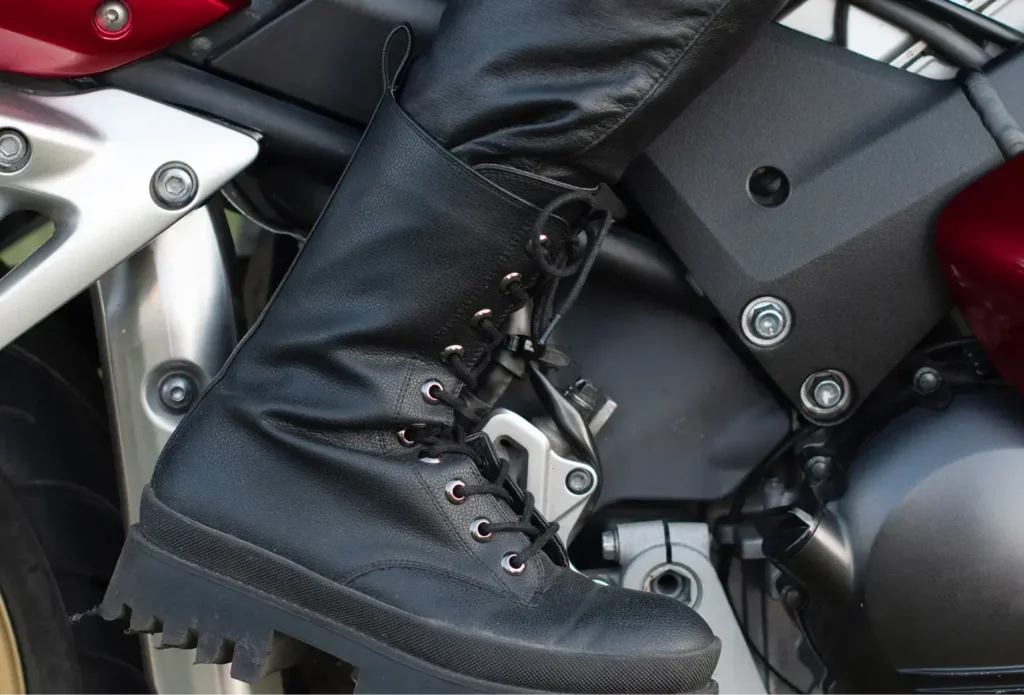
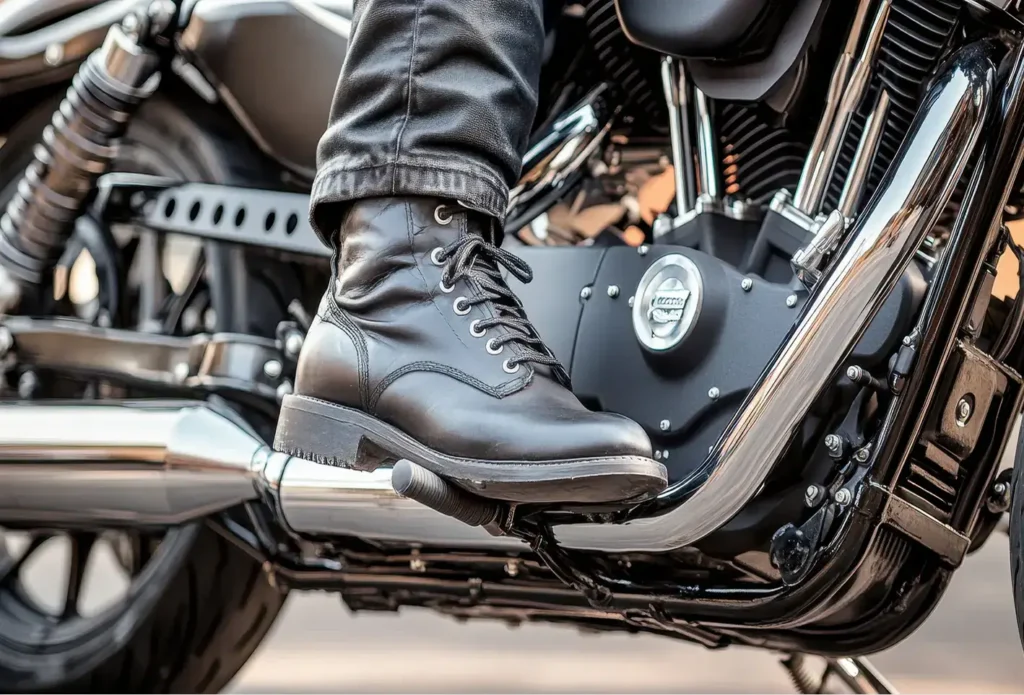
- Partnerships with gear providers for discounted protective clothing.
Platform reliability extends to the digital infrastructure as well. If the app crashes during a delivery, it impacts the rider’s earnings and their trust in the system. High uptime and efficient last mile delivery efficiency are technical requirements that have a direct psychological impact on the workforce.
Support Systems and Communication Efficiency
Efficient support systems act as a safety net for riders facing real-world complications like accidents or customer disputes. A direct line to human support is often cited as a top requirement for rider satisfaction.
Automated bots can handle simple queries, but complex issues require a delivery partner engagement strategy that includes empathetic, real-time intervention. This support must be accessible without requiring the rider to pull over for extended periods, respecting their need for constant movement.
Communication should be concise and action-oriented. Overloading riders with unnecessary notifications leads to “alert fatigue,” where important safety or earning updates are ignored. By keeping messages focused on operational benefits, Renegade Classics Richmond maintains a professional and effective dialogue with its fleet.
FAQs
1. What makes a motorcycle leather vest “the best” for professional riders?
The best motorcycle leather vests offer a balance of high-grade cowhide for abrasion resistance and functional pockets for storage. For gig workers, durability and the ability to layer over other clothing are the top priorities.
2. How does gear choice affect rider marketing?
Gear choice is a visual representation of a platform’s culture. Promoting a rugged biker vest outfit or a professional sleeveless biker jacket style helps attract riders who take their role seriously and value a professional appearance.
3. Why do riders drop off during the onboarding process?
Most early-stage drop-offs occur due to overly complex documentation or a lack of clear instructions. A streamlined courier onboarding process ensures that riders can move from application to their first delivery with minimal friction.
4. How can platforms improve gig worker retention?
Retention is improved through consistent earnings, reliable support, and a sense of community. Providing incentives that help riders maintain their equipment, such as their motorcycle vest, shows long-term investment in the partner.5. What is the impact of a transparent earning structure? Transparency builds trust. When riders can easily calculate their bonuses and base pay, they feel more in control of their work, which leads to higher activation rates and better overall platform loyalty.